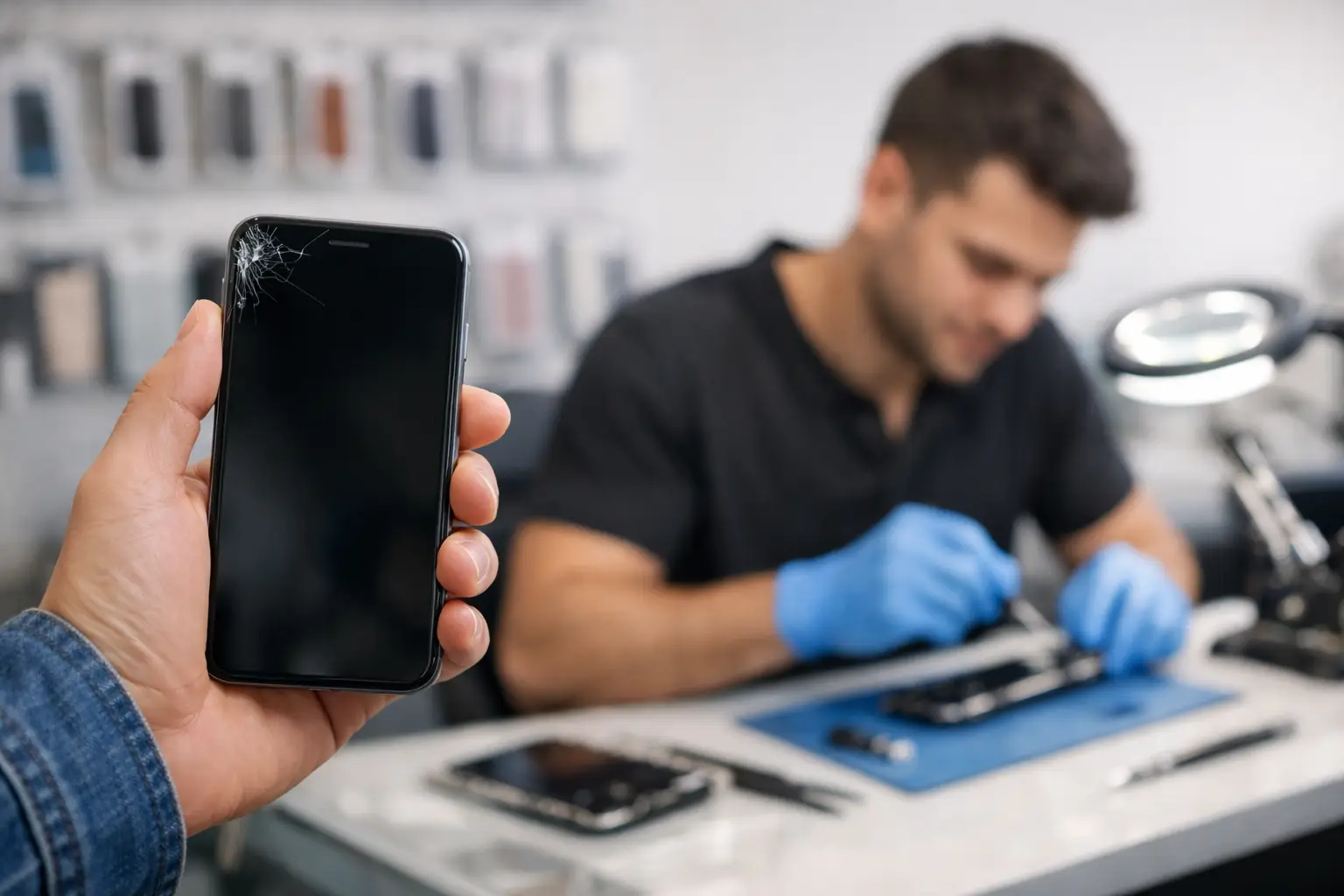
A cracked screen at 8:15 on a workday is not a minor inconvenience. It means missed messages, broken maps, payment apps you cannot use, and the low-level stress of not knowing whether the damage is cosmetic or something worse. When that happens, choosing the right mobile phone repair shop matters more than most people realise.
A good repair shop does not just swap a part and hand your phone back. It gives you a clear diagnosis, honest pricing, a realistic timescale, and a repair that holds up after you leave. A poor one can waste your time, fit low-grade parts, or leave you with a second problem a week later. If you rely on your phone for work, travel, tickets, banking, photos, or simply getting through the day, it is worth knowing what separates a dependable repair service from a risky one.
What a good mobile phone repair shop should offer
The first thing to look for is clarity. If a repair shop cannot explain the problem in plain English, that is a warning sign. Most customers do not need a technical lecture. They need to know what has failed, whether the repair is worthwhile, how long it should take, and what it will cost.
Speed matters too, but only if it comes with proper workmanship. Same-day service is genuinely useful when your phone is essential, but fast should not mean rushed. A reliable repair shop should be able to tell you whether your device needs a straightforward screen replacement, a battery change, camera repair, charging port work, software troubleshooting, or a deeper diagnostic before any work begins.
You should also expect transparency about parts. Not every repair uses the same quality components, and the cheapest quote is not always the best value. A lower upfront price can mean a dimmer screen, weaker touch response, shorter battery life, or parts that fail sooner than they should. Good shops explain your options and set realistic expectations.
The signs of a repair shop you can trust
Trust usually shows up in the small details. Staff should listen before they diagnose. They should ask sensible questions about how the issue started, whether the device has been dropped, exposed to liquid, charging intermittently, or showing signs of software trouble. That kind of care tells you they are trying to fix the right problem, not just sell the most obvious repair.
Pricing should be straightforward. You do not want vague estimates that climb once your phone is already on the bench. A trustworthy shop will usually explain what is included, whether there are diagnostic charges, and what happens if the issue turns out to be more complicated than first expected.
There is also a difference between confidence and sales pressure. A dependable repair specialist should sound certain about what they can do, but not pushy. If someone is trying to rush you into a repair without explaining the process, or making promises that sound too neat for a complicated fault, it is sensible to pause.
Common repairs and why speed matters
Most people visit a mobile phone repair shop for one of a handful of urgent issues. Cracked screens are the obvious one, but batteries, charging ports, cameras, speakers, microphones, and water damage are just as common. Then there are software issues that feel like hardware faults - phones freezing, restarting, running slowly, or refusing to update.
In central London especially, downtime carries a real cost. Commuters need access to travel apps and contactless payments. Students need their notes, messages, and course platforms. Office workers need email, two-factor authentication, and calendars. Tourists need maps, bookings, and photos. A phone that is out of action for days is more than annoying.
That is why a well-located repair service with walk-in and bookable options can make a genuine difference. Convenience is not just a nice extra. It reduces the time between problem and fix, which is exactly what most people need.
When cheap repairs end up costing more
Everyone wants fair pricing. That is sensible. But there is a difference between fair and suspiciously cheap.
A very low repair price can mean corners are being cut somewhere - low-quality parts, rushed fitting, limited testing, or weak aftercare. You might save money at the till and lose it later when the screen lifts, the battery drains too quickly, or the Face ID, fingerprint sensor, camera, or speaker no longer performs as it should.
This does not mean the highest quote is automatically best either. The right balance is a repair shop that is open about what you are paying for and why. Quality parts, experienced technicians, proper testing, and a repair done right the first time usually offer better value than a bargain fix that needs doing again.
Questions worth asking before you hand over your phone
You do not need to interrogate the technician, but a few direct questions can save a lot of hassle. Ask what they believe the fault is, how long the repair should take, whether the quoted price includes labour and parts, and what testing they carry out before returning the device.
It is also reasonable to ask whether your data is likely to be affected. For many people, the bigger worry is not the hardware but the photos, messages, notes, and apps stored on the device. A good shop should be honest about the risk level. Some repairs are routine and low risk. Others, especially severe water damage or board-level faults, are less predictable.
If you are dealing with liquid damage, honesty matters even more. No reputable repair service should guarantee a perfect outcome before they inspect the phone properly. Water damage can spread, corrode components, and create delayed faults. What you want is a realistic assessment, not false reassurance.
Why local expertise still matters
There is real value in using a local repair specialist rather than posting your phone away or dealing with a faceless service. You can ask questions in person, get a clearer sense of the service, and often get your device back much faster.
Local shops also understand the pace of the area they serve. In a busy part of London, people often need a repair fitted around work, travel, or a packed day in town. That is why accessible walk-in service matters. For someone rushing between trains, meetings, or lectures, the difference between an awkward detour and a repair point inside Piccadilly Circus Underground Station is not small. It can be the reason the repair gets sorted today instead of put off for another week.
The repair is only part of the service
A lot of people judge a repair shop purely on whether the phone powers back on. That is the bare minimum. Good service also means being kept informed, treated fairly, and not being left guessing.
If there is a delay, you should be told. If the fault is different from what was first expected, it should be explained clearly. If a repair is not cost-effective, a good technician should say so. That kind of honesty builds trust, and trust is what most customers are actually looking for when their device fails unexpectedly.
It also helps when the shop covers more than one type of issue. Many faults are not obvious at first. What looks like a battery problem might be a charging issue. What seems like a broken speaker could be software-related. A shop that handles both hardware and software repairs is in a better position to find the real cause quickly.
Choosing a mobile phone repair shop in London
London gives you plenty of choice, which is helpful and frustrating at the same time. There are countless places offering phone repairs, but the experience is not equal. The best option is usually the one that combines speed, clear communication, fair pricing, and workmanship you can trust.
That means looking past flashy claims and focusing on what will matter an hour after the repair, and a month after it. Was the issue diagnosed properly? Was the cost explained clearly? Did the repair solve the problem without creating another one? Could you get help quickly when time mattered?
For most people, that is the standard that counts. If your phone is central to how you work, travel, pay, and stay in touch, the right repair shop should reduce stress, not add to it.
When your device goes wrong, you do not need jargon or guesswork. You need a repair service that is fast, honest, and careful with the one bit of tech you probably use more than any other.
