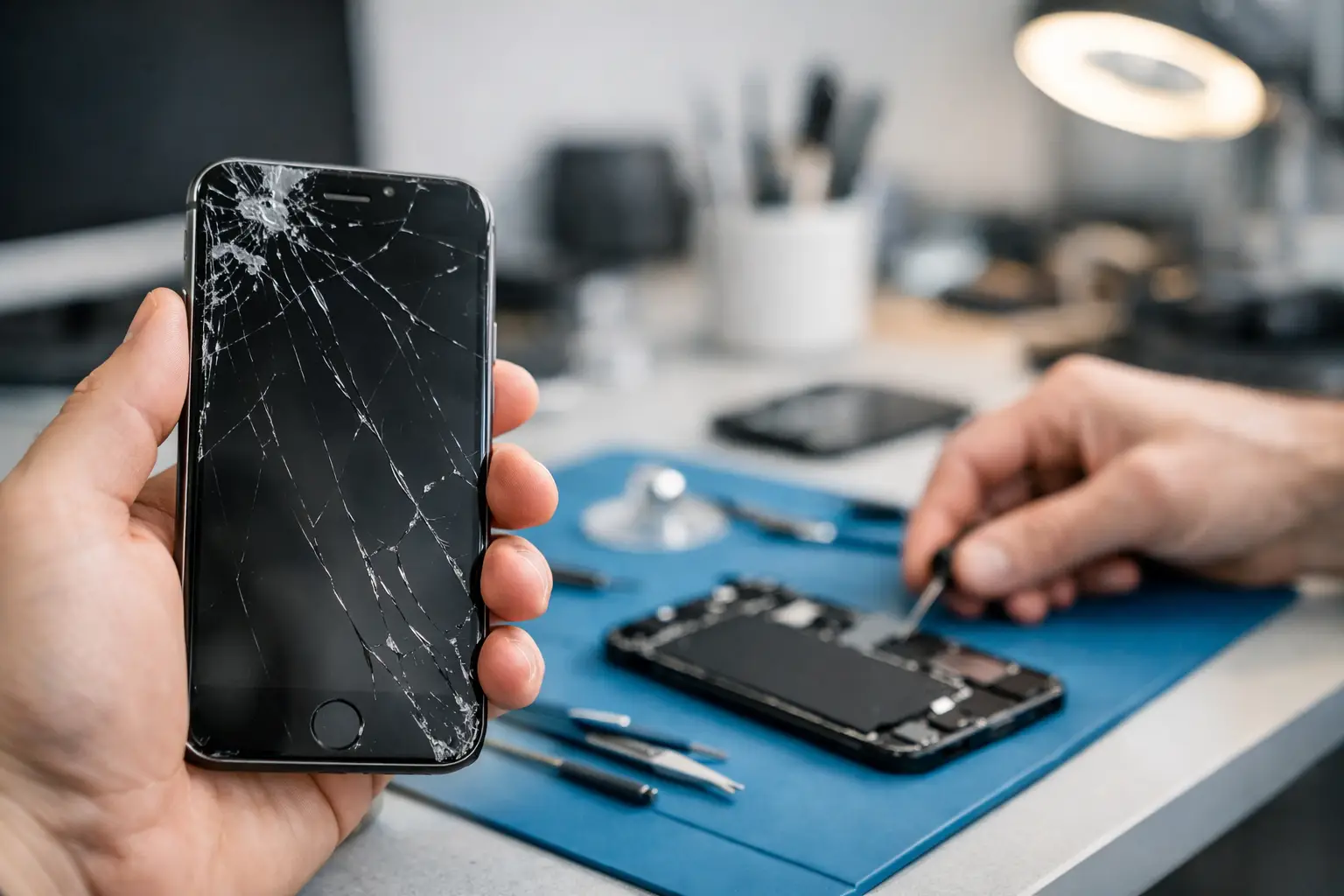
That heart-sinking moment usually happens in seconds - your iPhone slips, lands face down, and the screen tells you the rest. Sometimes it is a clean crack across the glass. Sometimes the display goes black, shows coloured lines, or stops responding properly. When that happens, iPhone screen repair quickly stops being a nice-to-have and becomes something you need sorted before it disrupts work, travel, banking, messages and everything else you use your phone for.
The good news is that a damaged screen is often straightforward to fix when it is handled properly. The less helpful news is that not every cracked iPhone screen is the same, and not every repair is either. If you want the repair done right the first time, it helps to know what you are dealing with, what to expect, and where corners are often cut.
When an iPhone screen repair should not wait
A visibly cracked screen is the obvious reason to book a repair, but it is not the only one. Plenty of people carry on using a damaged phone because it still turns on, but the problem can get worse quickly. Tiny cracks spread, touch sensitivity can become unreliable, and the exposed screen is more vulnerable to moisture, dust and pressure damage from daily use.
In some cases, the glass is broken but the display still looks normal. In others, the OLED or LCD underneath has been damaged as well. That is when you start to see black patches, flickering, green or white lines, dead areas on the screen, or touch issues that make typing and swiping frustrating. If the front glass has lifted away from the frame or there are sharp edges, it is worth stopping use altogether until it is repaired.
A delayed repair can also turn a simple job into a more expensive one. A dropped phone with a cracked screen may have taken a knock to the frame, front camera, face recognition components or housing. The sooner it is checked, the easier it is to spot the full extent of the damage.
What a proper iPhone screen repair actually includes
People often talk about a screen repair as if it is one standard job, but in practice it depends on the model and the type of damage. On some devices, the repair may involve replacing the full display assembly. On others, the key question is not just whether the glass is cracked, but whether the touch layer and display panel are still working as they should.
A proper repair is not only about fitting a new screen. It should start with a clear assessment of the phone, confirmation of the fault, and an honest explanation of what needs replacing. If there are signs of deeper impact damage, that should be raised before work starts rather than discovered afterwards.
Good workmanship matters just as much as the part itself. A badly fitted screen can leave gaps, affect touch response, cause display issues or make the phone feel different in the hand. Adhesive sealing, alignment, brightness, colour performance and responsiveness all matter. So does testing the device before it is handed back.
Why screen quality makes such a difference
This is where a cheap repair can become a false economy. Two screens may look similar at first glance, but the difference in quality is usually obvious once you start using the phone properly. Lower-grade parts can have weaker brightness, poorer colour balance, reduced touch accuracy and less durability. You may also notice that the screen drains battery faster or feels slightly off compared with the original.
That does not mean every customer needs the most expensive option available. It does mean you should know what is being fitted and what standard of repair you are paying for. Transparent pricing matters because it lets you make a sensible decision rather than being surprised at the counter or disappointed afterwards.
For most people, the real priority is simple: they want the phone to work normally again, look right, and stay fixed. That comes from quality parts, careful fitting and proper testing - not from chasing the lowest possible quote.
iPhone screen repair and same-day service
If your phone is your train ticket, your wallet, your camera, your map and half your working day, being without it for long is not realistic. That is why fast turnaround matters so much. A good repair service should understand that most customers are not comparing technical specifications - they are trying to get back to normal as quickly as possible.
Same-day repair can be a genuine advantage when the repair is done carefully rather than rushed. Speed is useful when it is backed by experience, stock availability and a process that keeps things moving without cutting corners. For busy London customers, especially commuters and office workers, being able to book ahead or walk in and get the issue dealt with quickly removes a lot of stress.
Convenience matters just as much as speed. If a repair shop is easy to reach during a working day or on the way through central London, it turns an awkward problem into something manageable.
Signs you should avoid a repair provider
Not every repair service offers the same level of care, and screen repair is one of the easiest areas for poor-quality work to hide. If pricing is vague, if nobody can explain what part is being used, or if the service feels rushed before your phone is even booked in, take that seriously.
Another warning sign is overpromising. A trustworthy technician will tell you if the issue appears to be more than just the screen, or if there is a chance further damage may be uncovered once the device is opened. Honest repair services do not pretend every job is identical.
You should also expect basic reassurance. That means clear communication, realistic timeframes, and confidence in the work being carried out. If you feel pushed into a decision or cannot get a straight answer about cost, turnaround or testing, it is worth looking elsewhere.
What to do before handing over your phone
If your screen still works, back up your data first. It is a sensible precaution with any phone repair, even when the issue appears limited to the display. If the touchscreen is unreliable, do it as soon as you reasonably can.
It also helps to note any existing issues before the repair, such as camera faults, battery drain or speaker problems. That avoids confusion later and gives the technician a fuller picture of the phone’s condition. Remove any case or screen protector if asked, and make sure you know your passcode if testing will be needed after the repair.
Most importantly, explain what happened. A phone that was dropped down one stair is not always in the same condition as one that was run over, bent in a pocket or exposed to rain after impact. The more accurate the description, the better the diagnosis.
Repair or replace - which makes more sense?
This depends on the age of the phone, the cost of repair and whether there are other faults in play. If the iPhone is otherwise in good condition, a screen repair is often the most cost-effective option by a long way. Replacing the whole handset is usually more expensive and more disruptive than people expect.
Where it becomes less clear is with older devices that already have battery issues, charging faults or housing damage. In that case, the value of repair depends on how long you realistically plan to keep the phone. A good repair service should be honest about that rather than pushing you towards work that does not make financial sense.
For newer iPhones, though, screen repair is usually the obvious move. These devices are expensive to replace, and a properly completed screen repair can restore everyday usability without the cost and hassle of buying new.
Choosing a local service you can trust
Trust is built on the basics - clear pricing, good parts, fast turnaround and repairs that hold up after you leave the shop. For a local London customer, accessibility can make a big difference too. If you can reach a repair service easily between meetings, after lectures or on your commute, it becomes much easier to deal with a broken phone before it causes bigger disruption.
That is one reason a central walk-in location matters. For example, Best Tech Repair at Piccadilly Circus Underground Station is built around exactly that kind of convenience: fast, dependable repair support where people already are, not somewhere awkward that turns a simple fix into a half-day job.
A cracked screen feels urgent because it usually is. The best next step is not to hope it holds together for another week. Get it checked properly, ask the right questions, and choose a repair that gives you your phone back in the condition you expect - safe to use, working properly, and ready for the rest of your day.
