
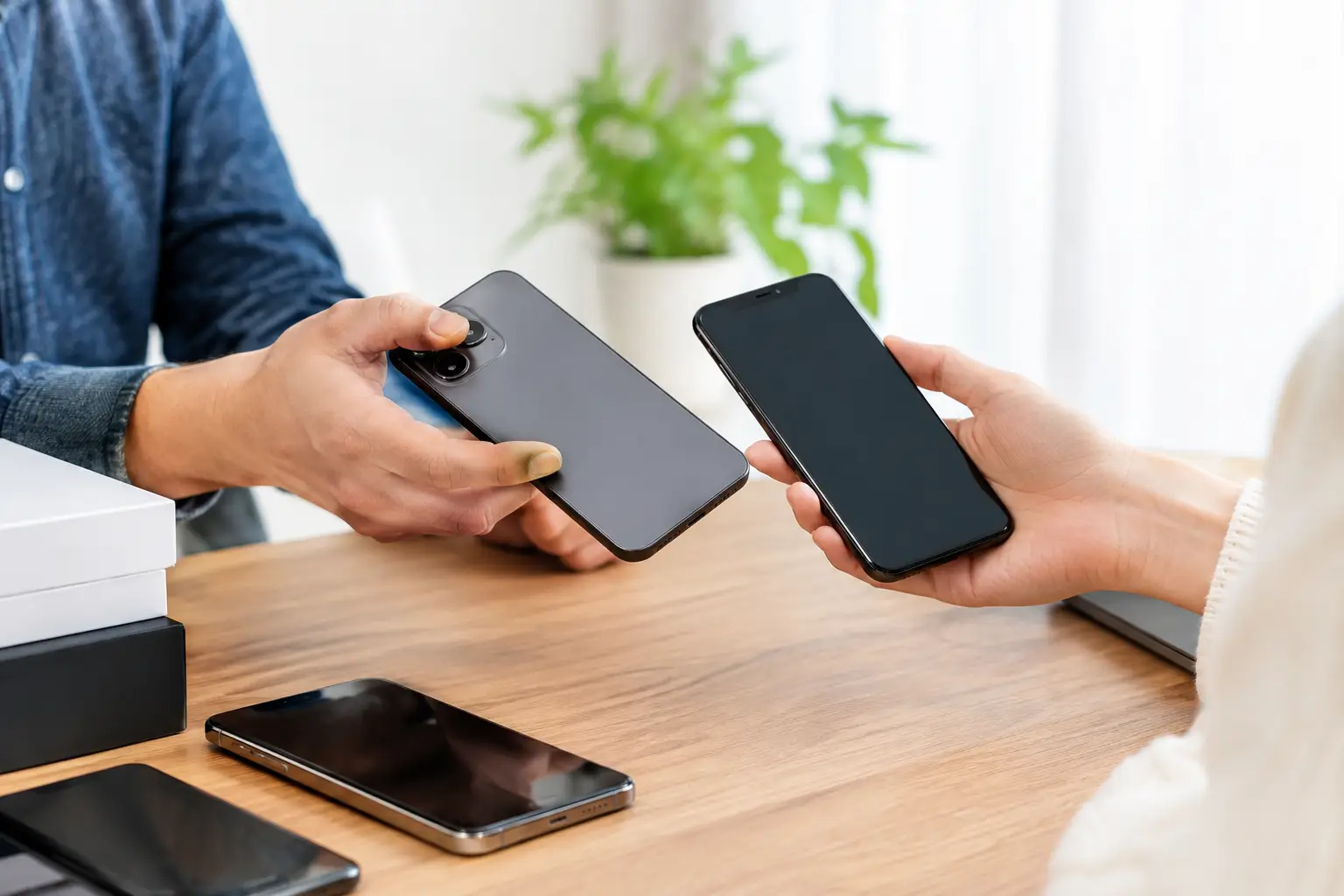
A phone that looks like a bargain can become an expensive problem before the week is out. Equally, a handset sitting unused in a drawer could be worth more than you expect. When you buy and sell phones, a few careful checks protect your money, your personal data and your time - especially when your device is essential for work, travel and everyday life.
The right choice depends on what matters most to you. Buying privately may offer a lower upfront price, while buying from an established retailer can offer more reassurance. Selling quickly may be convenient, but preparing the phone properly usually leads to a better price. The aim is not simply to get the cheapest deal or the highest offer. It is to make a fair, safe transaction without unexpected faults or missing data.
Before You Buy and Sell Phones, Know the Real Value
Phone prices are not based on the model name alone. Storage size, cosmetic condition, battery health, network status and included accessories all affect what a handset is worth. Two identical-looking phones can have very different values if one has a worn battery, a poor-quality replacement screen or a damaged charging port.
Start by checking the exact model and storage capacity. A newer handset with more storage will usually command a higher price, but condition still matters. Deep scratches, cracked rear glass, loose buttons and camera faults should lower the price. Be realistic when selling, too. A phone with visible wear can still be valuable, but calling it “excellent condition” when it clearly is not creates problems for everyone.
Battery condition deserves particular attention. A battery may last through a quick viewing but struggle during a normal working day. On many phones, battery health can be checked in the settings. If the maximum capacity is low or the handset shuts down unexpectedly, budget for a battery replacement rather than assuming the issue will disappear.
It is also worth comparing like for like. Check prices for the same model, storage option and condition, rather than using the price of a pristine, boxed device as the benchmark for a scratched handset with no accessories.
What to Check Before Buying a Used Phone
A used phone should be tested properly, not just switched on. Meet somewhere safe where you can take a few minutes to inspect it, and do not let a seller rush you. If they refuse basic checks, walk away.
First, confirm that the phone is not locked to someone else’s account. For an iPhone, it must be signed out of the previous owner’s Apple ID and should reach the set-up screen without asking for their password. For Android devices, the previous Google account must be removed. An activation lock can leave you with a phone you cannot use, even if it appears to work perfectly at first.
Next, check the device’s IMEI number. You can usually find it in the settings, by dialling a code, or on the original box. The number should match across the phone and any paperwork provided. A handset reported lost or stolen may be blocked from mobile networks, making it a very costly mistake.
Then test the features people often overlook. Make a call, connect to Wi-Fi, try mobile data if possible, and plug in a charger. Open both cameras and check the focus, flash, speakers, microphone and vibration. Test the touchscreen across the entire display, including around the edges, and check that Face ID, fingerprint recognition or other security features work as expected.
Look closely at the screen. Minor marks may be acceptable at the right price, but dead pixels, flickering, green lines and touch areas that do not respond are warning signs. A replacement screen is not automatically a problem, but low-quality parts can affect brightness, touch sensitivity and battery use. Ask directly whether the screen, battery or camera has been replaced and where the work was carried out.
Water damage can be harder to spot. Watch for mist inside camera lenses, corrosion around the charging port, distorted speakers or a screen that behaves unpredictably. A phone may seem fine during a five-minute check and fail later after moisture-related damage develops.
Private Sale, Trade-In or Refurbished Device?
There is no single best route when buying or selling. It depends on how much risk, time and effort you are comfortable with.
A private sale can give buyers a lower price and sellers a higher return. The trade-off is that you need to carry out the checks yourself, arrange the meeting and deal with any uncertainty. Be wary of pressure to pay by unusual methods, requests for deposits or offers that seem far higher or lower than the phone’s normal market value.
Trade-in services are often quicker and simpler. You may receive less than you could from a private buyer, but the process can be convenient if you want to put the value towards another device. Read the condition criteria carefully. A quote can change if a cracked screen, weak battery or hidden fault is found after inspection.
A refurbished phone sits somewhere between new and private second-hand. It can be an excellent option when it has been professionally tested, repaired where necessary and sold with clear condition information. The key question is what has actually been checked and replaced. “Refurbished” is not a fixed standard, so ask about battery condition, parts used and what support is available if a fault appears.
Prepare Your Phone Properly Before Selling
Your old phone probably holds far more personal information than you realise. Photos, banking apps, saved passwords, travel tickets, work emails and messages can remain accessible if you do not prepare it correctly. A factory reset alone is not the first step.
Back up everything you want to keep before doing anything else. Check your photos, contacts, notes, authenticator apps and messaging history. If you are moving to another phone, make sure the transfer has completed and that you can access key accounts on the new device. This is particularly important for banking and two-factor authentication, where being locked out can cause more stress than the sale is worth.
After backing up, sign out of your Apple ID or Google account, remove payment cards from your wallet app and turn off device tracking. Unpair smartwatches and Bluetooth accessories if needed, remove the physical SIM card, and erase the phone using its settings. If the device supports eSIM, make sure the mobile plan is removed or transferred correctly.
Give the handset a gentle clean and take clear photos of its condition before handing it over. Include the screen, rear glass, frame, charging port and any marks. This creates a useful record if there is later disagreement about damage. If you have the original box, cable or proof of purchase, keep them together. They can support the sale and make the device more appealing, although a missing box should not stop you from selling a genuine phone.
Do Not Ignore Small Faults
A loose charging port, weak speaker or fast-draining battery may sound minor, but these faults can reduce the sale price more than the cost of a repair. They can also make a buyer suspicious that there are further issues. If your phone is otherwise in good condition, fixing a straightforward problem before selling may make financial sense.
It depends on the model and the fault. A quality screen or battery repair on a recent phone can help preserve its value. Spending heavily on an older device with several faults may not be worthwhile. A professional diagnosis gives you a clearer picture before you decide whether to repair, sell as faulty or recycle it.
For Londoners who need an answer quickly, Best Tech Repair at Piccadilly Circus Underground Station can assess common phone faults and explain the practical options. The goal should be clear: know what is wrong, what it costs to fix and whether the repair is likely to improve the phone’s value or useful life.
Keep the Transaction Safe
If you are meeting a private buyer or seller, choose a busy public place and avoid sharing your home address. Confirm payment has arrived in your account before handing over the phone. A screenshot or notification is not the same as cleared funds. Do not send a handset by post until payment is genuinely received, and keep proof of postage and the phone’s IMEI if you do use a delivery service.
For buyers, ask for a simple receipt showing the date, model, IMEI, agreed price and the seller’s name. It will not turn a private sale into a warranty, but it provides useful evidence of the transaction. For sellers, record the IMEI and retain confirmation that the device was reset and removed from your account.
A good phone deal should leave both sides comfortable. Take ten extra minutes to test the device, verify the account status and protect your data. That small pause can save you from weeks of chasing a fault, a blocked handset or a phone that was never truly ready to change hands.